



.png "Geometry Dash Breeze")




























Geometry Dash Extrapolation
What Is Geometry Dash Extrapolation?
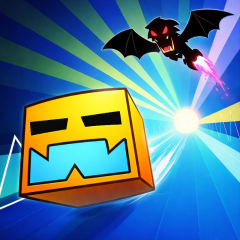
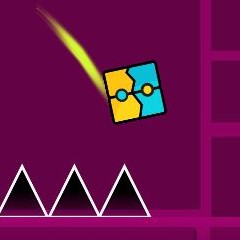
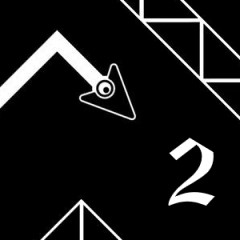
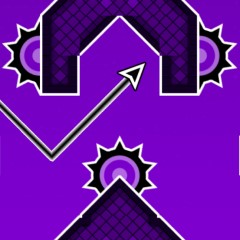
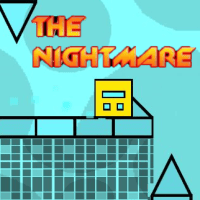
Geometry Dash Extrapolation is a hard rhythm platform game. Move automatically through buildings while avoiding spikes, gaps, and moving obstacles.
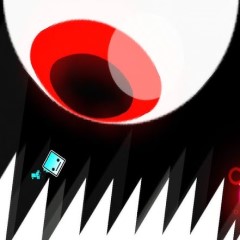
Players move automatically through dangerous levels while avoiding spikes, gaps, moving obstacles, and other deadly traps. Timing is everything because one mistake usually forces you to restart from the beginning in Normal Mode. The game stands out because it constantly changes gameplay mechanics using transformation portals and gravity effects. One moment, you may control a cube jumping across platforms, while the next moment, you transform into a flying ship or a spider with unique movement mechanics.
Main Gameplay Features
This arcade platformer includes several exciting features that keep gameplay fresh and challenging:
- Multiple playable forms, including cube, ball, spider, ship, and robot
- Fast-paced rhythm gameplay
- Sudden obstacle appearances
- Gravity-changing mechanics
- Speed portals that alter game speed
- Practice Mode for learning difficult sections
- Hard difficulty level for experienced players
- Responsive controls using the mouse or keyboard
These gameplay elements combine to create a highly engaging and competitive platforming experience.
Why Geometry Dash Extrapolation Is So Popular
Many players enjoy Geometry Dash Extrapolation because it delivers intense gameplay that rewards practice and skill improvement. Unlike casual platform games, this title requires:
- Perfect timing
- Fast reactions
- Pattern memorization
- Concentration
- Precision jumping
The satisfaction of completing difficult sections after repeated attempts makes the game extremely rewarding. Every victory feels earned because success depends entirely on player skill.
Understanding the Game Controls
The controls in Geometry Dash Extrapolation are simple but highly important. Since gameplay moves quickly, mastering the controls is essential for survival.
Basic Controls
Players can use:
- Left Mouse Button
- Spacebar
Both controls perform the same action depending on the current character form.
Character Actions
The controls change slightly based on the form you are using:
- Cube = Jump over obstacles
- Ball = Reverse gravity
- Ship = Fly upward while holding the button
- Spider = Teleport between surfaces
- Robot = Perform variable-height jumps
Because each form behaves differently, players must adapt quickly during gameplay transitions.
Different Character Forms Explained
One of the most exciting aspects of Geometry Dash Extrapolation is the transformation system. Form portals allow players to instantly switch between different gameplay styles.
Cube Form
The cube is the classic Geometry Dash character. In this form, players must jump precisely over spikes, traps, and gaps. The cube may seem simple, but advanced levels require extremely accurate timing and quick reactions.
Ship Form
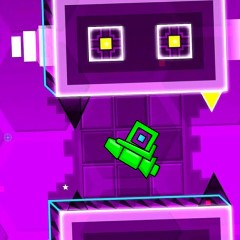
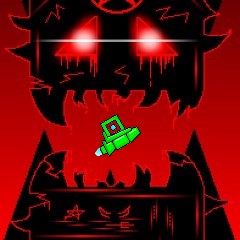
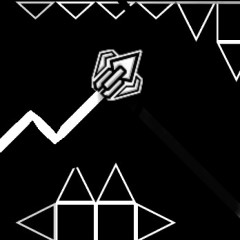
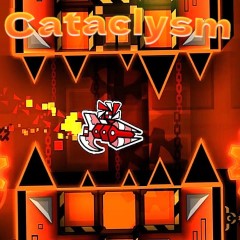
The ship introduces flying mechanics. Instead of jumping, players control vertical movement while avoiding walls and obstacles. Holding the button makes the ship fly upward, while releasing it causes descent. Maintaining smooth control is essential in tight spaces.
Spider Form
The spider is one of the most difficult forms to master. Instead of traditional jumps, the spider teleports instantly between surfaces. This mechanic requires excellent timing because sudden obstacles appear rapidly throughout the level.
Ball and Robot Forms
The ball changes gravity whenever the player presses the button. Meanwhile, the robot allows a controlled jump height depending on how long the button is held. These forms add gameplay variety and force players to constantly adapt to new mechanics.
Understanding Jump Pads, Rings, and Portals
The game includes several interactive objects that dramatically affect movement and gameplay flow.
Jump Pads and Jump Rings
Jump pads automatically launch your character into the air when touched. Jump rings require manual activation by pressing the jump button at the correct moment. These mechanics are essential for:
- Crossing large gaps
- Avoiding spikes
- Reaching elevated platforms
- Maintaining rhythm synchronization
Correct timing is critical because activating rings too early or too late often leads to failure.
Gravity Rings
Gravity rings instantly reverse gravity, forcing players to adapt to upside-down gameplay. These sections become increasingly difficult because obstacles appear from unexpected directions.
Speed Portals
Speed portals increase or decrease gameplay speed. Faster sections require lightning-fast reflexes, while slower sections often focus on precision timing. The constant speed changes keep gameplay exciting and unpredictable.
Normal Mode vs Practice Mode
The game offers two main modes that cater to different skill levels.
Normal Mode
In Normal Mode, every mistake sends players back to the beginning of the level. This mode is ideal for:
- Competitive players
- Experienced gamers
- Players seeking difficult challenges
Completing a hard level in Normal Mode feels highly rewarding because it requires consistency and focus from start to finish.
Practice Mode
Practice Mode allows players to place checkpoints throughout the level. This mode helps players:
- Learn difficult patterns
- Practice-specific sections
- Improve reaction timing
- Master character transformations
Beginners should spend time in Practice Mode before attempting full Normal Mode runs.
Best Strategies to Improve Your Gameplay
Becoming skilled at Geometry Dash Extrapolation takes patience and consistent practice.
Memorize Obstacle Patterns
Since many obstacles appear suddenly, memorization is extremely important. After repeated attempts, players begin recognizing:
- Spike placements
- Portal locations
- Gravity transitions
- Speed changes
- Trap timing
Pattern recognition significantly improves survival rates.
Focus on Rhythm and Timing
Like many rhythm platform games, music and movement are closely connected. Listening carefully to the soundtrack can help players anticipate:
- Jump timing
- Obstacle sequences
- Speed changes
- Transition moments
Many advanced players rely heavily on rhythm awareness during difficult sections.
Stay Calm During Fast Sections
Speed portals can create intense gameplay moments that overwhelm inexperienced players. Instead of panicking:
- Focus on timing
- Avoid unnecessary movements
- Watch upcoming obstacles carefully
- Maintain steady reactions
Remaining calm often improves performance dramatically.
Why Hard Difficulty Makes the Game More Rewarding
The hard difficulty level is one reason why Geometry Dash Extrapolation attracts dedicated players. Hard games create:
- Greater satisfaction after success
- Stronger motivation to improve
- More competitive gameplay
- Better long-term replay value
Each completed level feels like a genuine achievement because players must overcome challenging mechanics and difficult obstacle patterns.
Benefits of Playing Rhythm Platform Games
Rhythm platform games like Geometry Dash Extrapolation can also improve several cognitive skills. Players often develop:
- Faster reflexes
- Better hand-eye coordination
- Improved concentration
- Enhanced timing precision
- Stronger pattern recognition abilities
These skills improve naturally through repeated gameplay practice.
Final Thoughts
Geometry Dash Extrapolation delivers intense gameplay, creative mechanics, and rewarding progression. With multiple character forms, gravity-changing mechanics, sudden obstacles, and speed portals, every level feels dynamic and unpredictable. The combination of hard difficulty, responsive controls, and fast-paced gameplay makes this game perfect for players who enjoy testing their reflexes and precision skills. Whether you are practicing difficult sections in Practice Mode or attempting full runs in Normal Mode, the game offers endless excitement and replay value. If you enjoy rhythm games, arcade platformers, or reflex-based challenges, Geometry Dash Extrapolation is definitely worth experiencing.